


Feeling constantly tired despite getting enough sleep is something many people experience. It can be due to stress, poor diet or lack of exercise — but sometimes there is a hidden cause behind it: low oxygen levels in the body. When the body does not get enough oxygen, energy can decrease, concentration can deteriorate and you can feel exhausted even after rest. In this article, you will learn why oxygen is so important, how a lack of oxygen affects the body and what you can do to improve your well-being.

What does low oxygen level mean?
Oxygen is the energy of life. Every cell in the body needs oxygen to create power and keep the body in balance. When the oxygen level in the blood is low, the organs do not get enough oxygen, which means the body has to work harder to compensate. This often leads to fatigue, dizziness and decreased concentration.
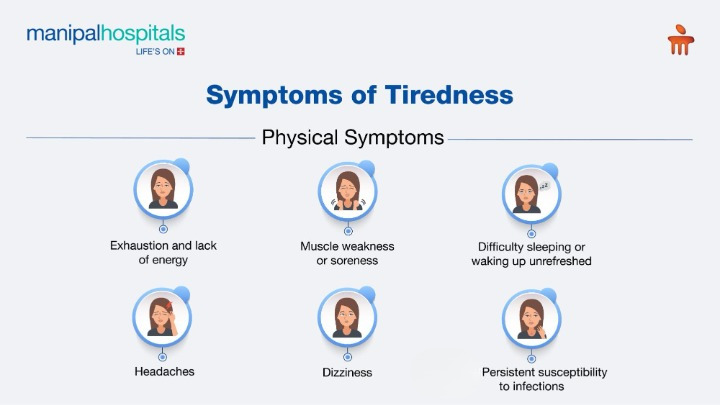
Common signs of low oxygen levels
| Symptom | Possible cause |
|---|---|
| Constant fatigue | Insufficient oxygen to the cells |
| Headache | Lack of oxygen in the brain |
| Shortness of breath | Difficulty taking in oxygen effectively |
| Poor sleep | Insufficient oxygenation during the night |
| Low energy | Impaired cell renewal |
How does low oxygen levels affect energy in the body?
Oxygen is necessary for cells to produce energy (ATP). When oxygen supply decreases, the body begins to use reserve energy, which quickly leads to fatigue and poorer performance.
The effects can be noticed in everyday life:
-
You feel sluggish in the morning.
-
You have difficulty focusing on work.
-
You easily become out of breath from small tasks.
-
You feel tired despite several hours of sleep.
This condition is common, especially for people who spend a lot of time indoors, in poorly ventilated environments, or during periods of stress.

Possible causes of low oxygen levels
There are several factors that can lower oxygen levels in the body. Some of the most common are:
-
Poor air quality: Pollution, smoking, and dust negatively affect the lungs.
-
Sedentary lifestyle: Lack of exercise reduces lung capacity.
-
Stress: Rapid, shallow breathing reduces oxygen intake.
-
Sleep apnea or poor sleep quality: Breathing is disrupted during the night.
-
High altitude: Less oxygen in the air leads to oxygen deficiency.
When these factors combine, they can create a long-lasting feeling of fatigue and imbalance.

Easy ways to increase your oxygen levels naturally
You can improve your body's oxygenation in several natural ways. Here are some effective tips:
-
Breathe deeply and slowly: Focus on filling your lungs completely.
-
Move daily: Walking, yoga or light exercise increases oxygen uptake.
-
Air out often: Open windows and let in fresh air.
-
Green plants: They increase oxygen levels indoors.
-
Drink plenty of water: Oxygen is transported better in a well-hydrated body.
-
Avoid smoking and alcohol: These reduce the efficiency of oxygen in the blood.
Improved breathing environment at home
Creating a healthy breathing environment at home can make a big difference. Many people choose to use healthcare equipment like oxygen concentrators to ensure a stable oxygen supply, especially for the elderly or those recovering from fatigue. They can provide more balanced oxygen levels and contribute to better energy throughout the day.

Who needs supplemental oxygen?
An additional source of oxygen may be beneficial for:
-
Older people who have weaker lung capacity
-
Workers with high stress levels
-
Students who need better focus
-
People who often feel tired or short of breath
-
Those recovering from long-term fatigue
Using the right aids at home can make everyday life easier and contribute to increased energy, better sleep and greater calm in the body.

Important details to remember
| Factor | Impact on oxygen levels | Improvement |
|---|---|---|
| Exercise | Increases oxygen uptake | Daily exercise |
| Diet | Supports cellular health | Eat foods rich in iron and vitamin C |
| Air quality | Affects breathing | Use air purifiers and ventilate often |
| Sleep | Regenerates cells | Sleep at least 7–8 hours |
| Stress | Impairs breathing | Meditation and relaxation |
Frequently Asked Questions (FAQ)
1. Why do I feel tired even after sleeping a lot?
This may be due to low oxygen levels , which means the body does not fully recover during sleep.
2. How do I know if my oxygen level is low?
If you often feel tired, dizzy, or have difficulty concentrating, it could be a sign.
3. Can I improve my oxygen levels without medication?
Yes, through healthy habits such as deep breathing, exercise and good air quality.
4. Is it safe to use oxygen concentrators at home?
Yes, modern healthcare equipment is safe, quiet and easy to use at home or in nursing homes.

Takeaways
-
Low oxygen levels are a common but often overlooked cause of constant fatigue .
-
Oxygen is crucial for the body's energy production and recovery.
-
Through small changes in your everyday life, you can increase your energy naturally.
-
Fresh air, exercise and the right aids make a big difference to your well-being.
Conclusion
Feeling constantly tired isn't just a result of stress or lack of sleep — it can also be a sign of low oxygen levels . By understanding how oxygen affects the body and taking simple steps, you can improve your energy, focus, and quality of life. Take care of your breathing, create a healthy environment, and prioritize your well-being — for a more energetic and healthier life every day.